Streamlined Bulk Trucking: Trustworthy Transport Options for Your Logistics Demands
Professional bulk trucking represents a bedrock for contemporary freight solutions, managing assorted cargo requirements. Companies increasingly turn to customized transport and innovative logistics approaches to streamline activities. This tactic simultaneously decreases costs but also fortifies environmental efforts. As organizations pursue steady selections, perceiving the subtleties of bulk trucking becomes indispensable. What points must be reviewed when appointing a provider, and how might organizations calibrate their loads for supreme productivity?
What Is Bulk Trucking and How Is It Executed?
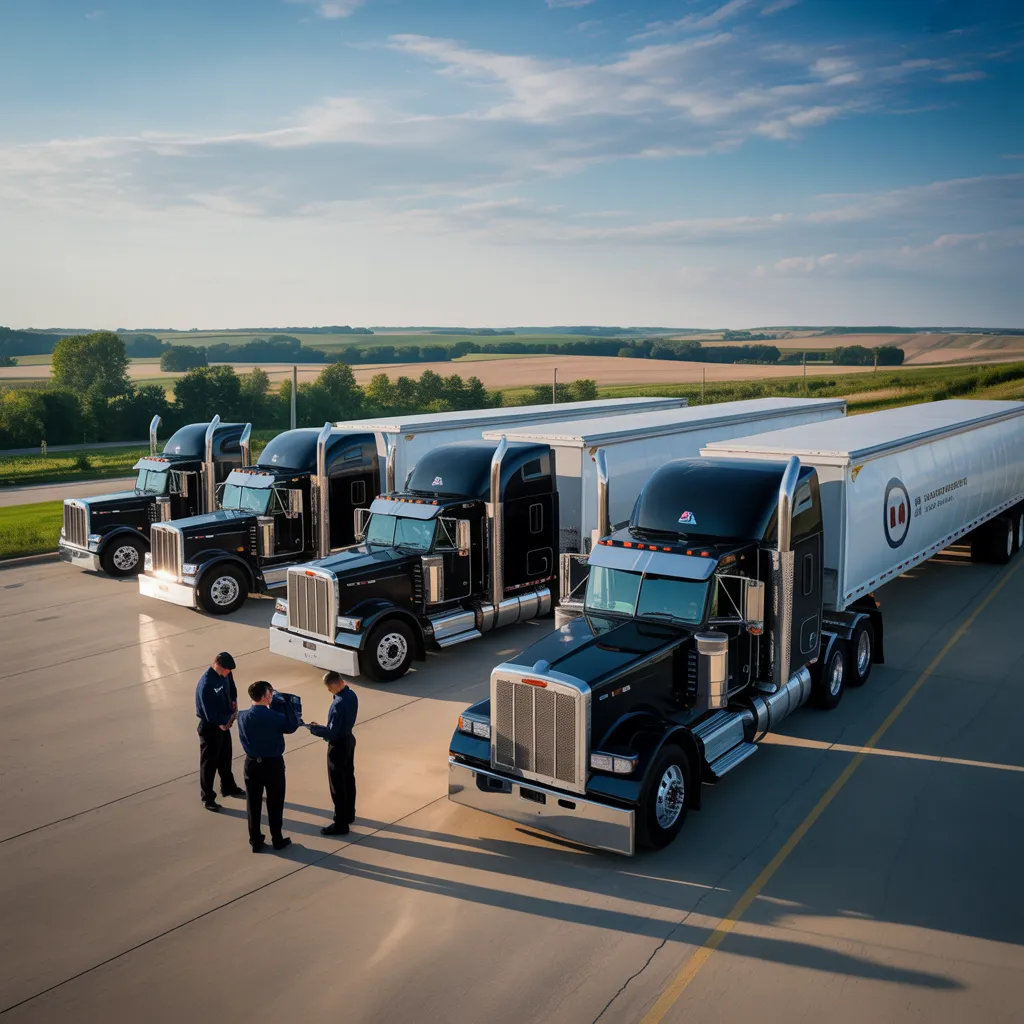
Bulk trucking denotes the shipment of extensive volumes of goods, often in bulk shipments, using custom trucks designed for efficient loading, transport, and unloading. This delivery approach typically relies on the application of tankers, flatbeds, and bulk containers, which are capable of handling various materials such as grains, liquids, or construction materials.
The procedure commences with the loading of goods at a designated facility, where specialized equipment ensures fast and effective handling. Once filled, trucks navigate set routes to deliver the cargo to its destination, often utilizing GPS technology for optimal pathfinding.
Upon coming in, unloading is executed using machinery customized to the specific type of bulk being moved, assuring minimal spillage and damage. Bulk trucking operates under rigorous safety and regulatory compliance, underlining the necessity of keeping cargo quality intact throughout the journey. This structured method markedly improves supply chain efficiency, meeting the needs of industries that require large-scale transport solutions.
Main Advantages of Mass Trucking for Your Business
Efficiency is a primary benefit that companies can obtain through leveraging bulk trucking services. By combining large shipments, companies can reduce transportation costs markedly. This method minimizes the number of trips needed, which not only cuts fuel expenses but also decreases wear and tear on vehicles.
Additionally, mass transportation often results in more consistent transport timelines, boosting supply chain consistency. Enterprises can more effectively manage stock levels, making sure that they have the essential goods available without surplus inventory.
Moreover, bulk trucking bolsters climate responsibility by lowering the carbon emissions attributable to many smaller shipments. This eco-conscious method aligns with consumers growing ever more aware of ecological footprint.
In conclusion, bulk trucking delivers versatility, supporting various cargo types, ranging from raw materials to finished products. Overall, these advantages make bulk trucking a strategic choice for businesses trying to enhance their logistics operations.
Vital Standards for Picking a Dependable Bulk Trucking Provider
Selecting a reliable bulk trucking provider is essential for companies looking to optimize the advantages of their supply chain approach. Key factors to assess include the provider's reputation in the industry, which can be measured through customer reviews and testimonials. Adherence with safety standards and industry guidelines is fundamental, as it ensures the safeguarding of both cargo and personnel. Moreover, assessing the company's vehicle quality and technology can demonstrate their ability for timely and efficient deliveries.
Pricing clarity is another critical factor; a dependable provider should provide clear pricing models without concealed charges. Additionally, flexibility in available services, such as scheduling and delivery paths, enables companies to adjust to evolving requirements. Finally, strong communication skills and client support are essential, ensuring that clients obtain information and support throughout the shipping process. By thoroughly assessing these standards, companies can select a vendor that aligns with their shipping objectives.
Streamlining Bulk Cargo for Savings on Expenses
Maximizing cost savings in bulk cargo operations can significantly improve a firm's profitability. Organizations can achieve this by deploying efficient loading and unloading processes, which reduce cycle times and lower workforce expenses. Utilizing advanced logistics software to monitor deliveries and optimize routes further promotes efficiency, guaranteeing that trucks are filled to capacity and minimizing unloaded travel.
Moreover, choosing the right type of large storage unit can produce significant savings. For instance, employing specialized containers designed for specific cargo varieties can reduce product damage and boost transport efficiency. Businesses may also arrange multi-year deals with trucking providers to secure favorable pricing, therefore stabilizing expenses.
Regularly reviewing and analyzing business information allows companies to recognize inefficiencies and implement focused enhancements. By concentrating on these strategies, organizations can optimize their bulk cargo operations, leading to substantial cost similar resource savings and a stronger market standing in the market.
Grasping Bulk Trucking Rules and Conformance
Comprehending the regulations directing bulk trucking is vital for attaining operational success. Key regulatory requirements and safety compliance standards shape the industry, impacting both efficiency and legal adherence. Companies must navigate these frameworks to enhance their logistics and maintain safety protocols.
Critical Regulatory Requirements
Navigating through the complex landscape of bulk trucking regulations demands careful consideration to various key requirements. First, operators must adhere to federal and state licensing mandates, guaranteeing that all drivers possess the necessary Commercial Driver's Licenses (CDLs). Additionally, adherence to weight restrictions is imperative; vehicles must not exceed specified limits to avoid penalties and maintain road safety. Moreover, proper documentation, including Bills of Lading and freight manifests, is crucial for tracking cargo and promoting transparency. Environmental regulations may also apply, particularly concerning emissions standards for trucks. Finally, understanding insurance requirements is vital, as adequate coverage protects both operators and shippers from unforeseen liabilities. Navigating these regulatory aspects is crucial for efficient and compliant bulk trucking operations.
Safety Compliance Standards
Safety compliance standards establish the essential backbone of effective bulk trucking operations, protecting drivers, cargo, and the public. These standards encompass a range of rules, including vehicle maintenance, driver qualifications, and cargo handling procedures. Companies must adhere to guidelines set forth by federal and state agencies, such as the Department of Transportation (DOT) and the Federal Motor copyright Safety Administration (FMCSA). Regular maintenance checks and inspections are essential, as they mitigate risks associated with equipment failure. Additionally, thorough driver training for drivers on safety protocols enhances awareness of potential hazards. By fostering a culture of safety compliance, bulk trucking companies not only protect their assets but also build trust with clients and the communities they serve.
Safety Procedures for Bulk Trucking Services
Guaranteeing the safety of heavy load trucking demands an all-encompassing strategy that deals with various hazards on the road. First, regular vehicle inspections are critical to identify mechanical issues before they escalate. Proper training for drivers on controlling distinct cargo categories amplifies their capacity to counter challenges effectively. Additionally, keeping to weight limits blocks overloading, which can compromise stability and braking.
Implementing secure loading practices, including suitable securing devices, reduces cargo movement during transit. It is also essential to maintain open dialogue with dispatch and other drivers to monitor road conditions and potential hazards. Employing GPS tracking can provide real-time updates, improving situational awareness.
In conclusion, developing a safety culture within the organization inspires all employees to concentrate on best practices. By implementing these safety tips, bulk trucking operations can substantially decrease risks, assuring the secure shipment of goods while preserving lives on the road.
Future Trends in Bulk Trucking: What Lies Ahead?
What breakthroughs lie ahead for the bulk trucking industry? As technology continues to progress, several trends are establishing the future of bulk trucking. Automation is set to play a essential role, with autonomous trucks expected to elevate efficiency and reduce operational costs. Moreover, the integration of artificial intelligence and data analytics will boost route optimization and fuel efficiency, allowing for more assured and timely deliveries.
Sustainability continues to be a major focus, with an strengthening focus on sustainable practices. Electric and hybrid trucks are set to gain traction, reducing carbon footprints and conforming to regulatory changes. Additionally, improvements in telematics systems will fortify fleet management, furnishing real-time monitoring and upgraded maintenance schedules.
Finally, the growth of e-commerce requires adaptability in freight transport, compelling companies to implement cutting-edge supply chain strategies. Together, these developments indicate a revolutionary period for the freight industry, emphasizing productivity, environmental responsibility, and flexibility.
Common Asked Questions
What Forms of Cargo Work Optimally for Bulk Trucking?
Bulk trucking is excellent for hauling unpackaged goods such as grains, chemicals, aggregates, and liquids. These cargo types gain from bulk transport due to their volume and weight, enhancing productivity and lowering overall shipping costs.
What's the Difference Between Bulk Trucking Rates and Other Shipping Methods?
Bulk trucking rates are generally more cost-effective than other transportation options for large volumes. This effectiveness results from lower handling costs and economies of scale, making it a popular option for moving significant quantities of cargo.
What Tools Are Commonly Implemented in Bulk Shipping Nowadays?
Modern bulk hauling utilizes tools like GPS tracking for immediate location information, telematics for vehicle analysis, electronic logging devices for regulatory adherence, and automated routing software to optimize delivery performance and lower operational costs.
Can Bulk Trucking Support International Shipments?
Yes, heavy freight transport can accommodate international shipments. Companies consistently utilize specialized vehicles and logistics solutions to maintain compliance with international regulations, supporting the transport of goods across borders efficiently and securely.
What Ecological Impacts Does Bulk Trucking Have?
Bulk freight transport leads to ecological damage through greenhouse gas emissions, fuel consumption, and conceivable structural deterioration of roads. However, improvements in technology and policy aim to mitigate these effects, promoting more green initiatives within the field.